
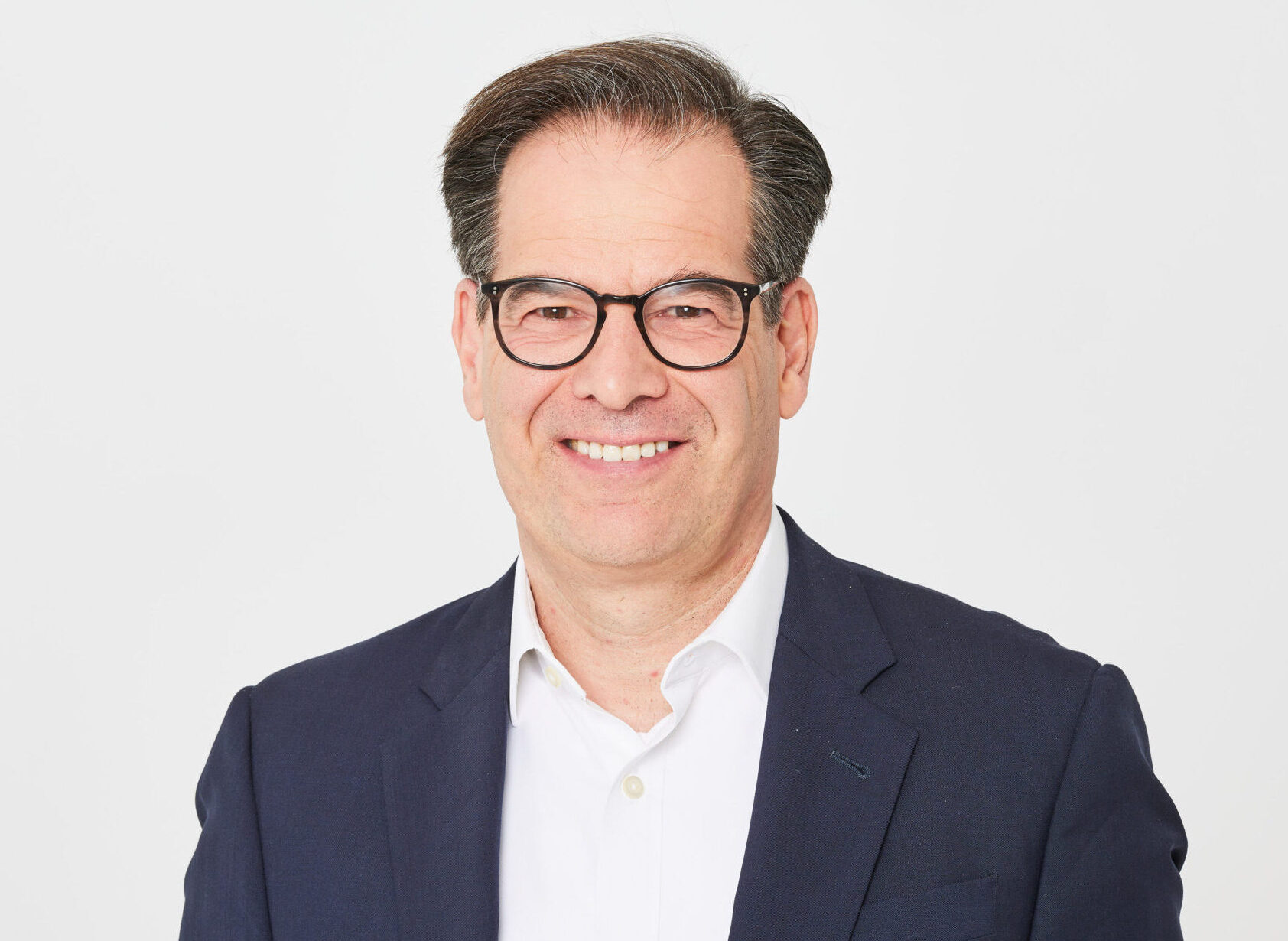
Prof Dr Peter Henning, you are the new driving force behind board training at Management Alliance. How did the collaboration between Management Alliance and HEADSAHEAD come about?
I joined HEADSAHEAD as a partner in July 2024, having previously been responsible for corporate governance and supervisory boards at Deutsche Bank for many years. In this role, I was already Chairman of the Efficient Supervisory Board Organisation expert committee, of which Gabriele Bornemann, whose expertise I greatly value, has also been a member since the beginning.
HEADSAHEAD and the Management Alliance are also expert partners of the German Supervisory Board Working Group (AdAR), which is committed to the sustainable promotion of corporate governance and effective supervisory board work in companies.
So it was a natural development that Ralf Kreutzberg, CEO of HEADSAHEAD, also got to know and appreciate Gabriele Bornemann. People who want to make a difference quickly realise when new added value is created from shared convictions and ideas. And then it’s just a small step to pool resources and expertise and invest in a strategic partnership.
What unites us is the ambition to make the work of supervisory boards better and more sustainable.
You and the Management Alliance share the mission that governance in companies is a guarantee of good corporate management. What do you do differently from other specialists when it comes to board training?
We take a holistic approach and offer programmes that are tailored to the individual needs of companies, supervisory boards and committees. The focus is always on practical application knowledge and ready-to-implement solutions for current challenges.
In the successful “Front Row” training programme, we guide supervisory board members through the most important topics and challenges in the course of a reporting year as part of a business game on the fictitious Maschinenbau AG. This not only sounds exciting, it is also always surprising. As in a “real meeting”, the participants receive preparatory meeting documents via a data room and then have to demonstrate their skills in practice during the meeting. That’s not so easy. Not only once did Supervisory Board members want to dismiss our CEO Bornemann and send her packing during the meeting because they were not fully satisfied with the answers. Consequences under capital market law often take a back seat during heated discussions.
Why does it make sense to extend the professional qualifications of supervisory board members to competent committee work?
The demands on supervisory board members have increased significantly in recent years due to numerous new legal and regulatory developments, but also due to the increasing complexity of the tasks and internal organisation of the supervisory board.
This calls for a strong culture of skills based on a willingness to shape and competences. Certified expertise and personal experience must always first prove themselves within the diverse board dynamics. It’s good to have experienced experts at your side to help scrutinise perspectives and validate new ideas.
Not only new requirements from CSRD but also the business models of companies with their current geopolitical uncertainties require qualified supervisory board members who are recognised and needed as sparring partners for the management board.
The approach of board training comes from the German Corporate Governance Code. Why is the continuous training and further education of boards also beneficial for non-listed companies?
Basically, corporations, such as limited liability companies, also need a supervisory board if the company has more than 500 employees. This often brings us into the world of traditional SMEs and family-run companies.
Whether a listed company or a family business, the challenges involved in supporting a company are often the same. Particularly in today’s world, the operational board or managing director is fully occupied with managing the company. The opportunity for forward-looking committee work lies in using supervisory boards as a source of inspiration and sparring partner, thereby generating added value for company management.
In order to fully utilise this potential, sector knowledge and qualifications are required on a board.
It is a misconception that every good manager is necessarily also a good supervisory board member. After all, the perspective on the company and on one’s own role are the prerequisites for successful board work.
How can we make a new generation of supervisory boards even better with this approach?
By clearly defining and training the framework for supervisory board members.
If we take a look at the German Stock Corporation Act today, the control aspect continues to dominate the actions of the Supervisory Board. However, this is not our understanding of board work today.
However, it is true that a supervisory board and/or advisory board should know the consequences of its actions or inactions when it comes to its personal liability. Only when you know the grey areas of your own actions can you actively shape them. It is precisely at this point that qualification is the key to success.
Further education and training is just one area of governance. Do you also support companies with other consultancy services?
Yes, our aim is to provide comprehensive advice to the supervisory board. This includes appointment issues, including efficient and strategically well thought-out succession planning, as well as regular efficiency reviews.
Another focus is on the internal organisation of the supervisory board, including the rules of procedure and supporting functions. We therefore also offer advice on the internal organisation and efficient design of the corporate office in order to optimally relieve the burden on the company management.
An approach that is particularly interesting for SMEs and family-run companies. This is because these companies have the room for manoeuvre to incorporate the best of both worlds in their processes and structures.
When we talk about efficient boards, what are the 3 key issues that contribute to the efficiency of governance?
Firstly, the use of state-of-the-art technologies such as digital data rooms that work with AI and therefore offer an efficient support function.
Secondly, I consider a preparatory function such as a supervisory board office to be essential. While management boards are legally allowed to delegate, this is only possible to a limited extent for the supervisory board. Support for the supervisory board will become a quality feature in the future.
And as a final point, I would like to emphasise the importance of the composition of the board. The right board members and committees are crucial for successful and sustainable supervisory board work.